Workshops
Immigration, Incarceration, and Belonging: Teaching Japanese American History in Conversation with the Present
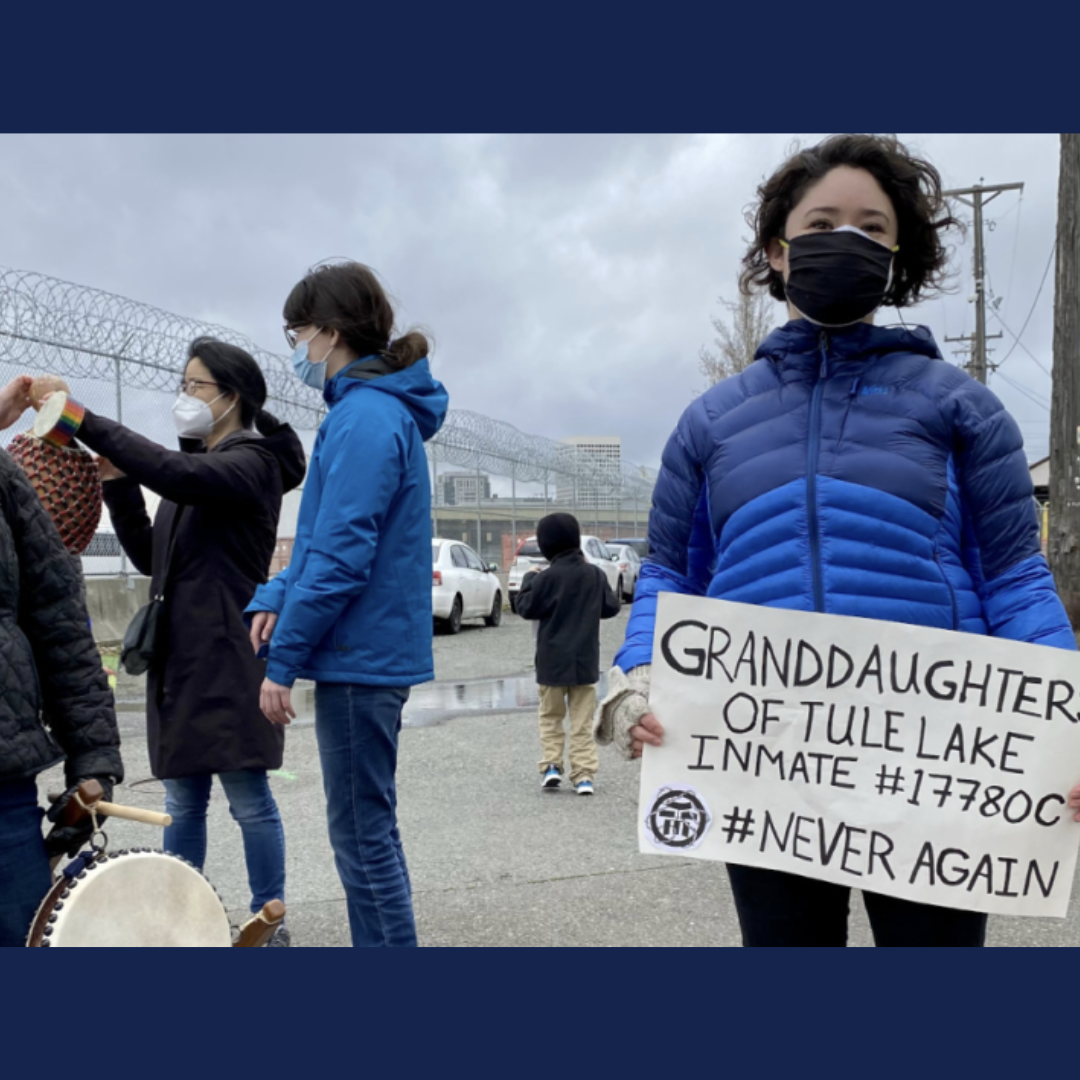
How have U.S. immigration and citizenship policies shaped who is considered American and who is treated as a threat? In this two-part virtual workshop series with the East Asia Resource Center and Densho, K-12 educators are invited to examine Japanese American incarceration within a longer history of immigration restriction, racial exclusion, citizenship, and detention in the United States. In the first session on October 29, participants will hear from scholars and explore the laws and policies that shaped Japanese immigration and incarceration during World War II. The second session on November 5 will shift from historical context to classroom practice. Educators will learn how to apply the Densho Education Framework and work with grade-level specific sources and instructional strategies they can adapt for their own students.
© 2024 NCTAsia